
6 Benefits of ANPR in Modern Traffic Management
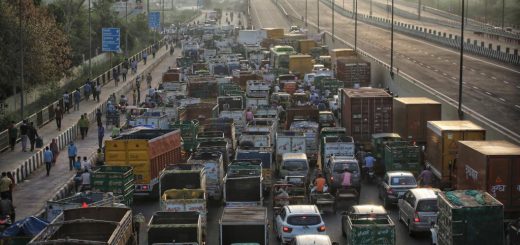
Traffic management is one of the biggest challenges for modern cities and highway networks. As vehicle volumes grow rapidly, traditional methods such as manual checkpoints, toll booths, and human monitoring struggle to handle the load efficiently. This is where Automatic Number Plate Recognition (ANPR) plays a transformative role. ANPR is a technology that automatically captures and interprets vehicle licence plates using cameras and software, enabling real-time tracking without stopping vehicles. Its integration into traffic systems has major benefits for traffic flow, safety, tolling, and environmental efficiency.
What is ANPR?
Automatic Number Plate Recognition (ANPR) is a technology that uses cameras to capture vehicle licence plate images and software to convert those images into text. This text is then matched with databases for various purposes such as traffic monitoring, toll collection, law enforcement alerts, and data analytics. ANPR works in real time and removes the need for human operators to manually check plates, making monitoring faster and more accurate.
Benefits of ANPR in Modern Traffic Management
1. Improved Traffic Flow and Reduced Congestion
One of the biggest benefits of ANPR in modern traffic management is improving traffic flow. By reading vehicle plates automatically, ANPR systems eliminate the need for vehicles to slow down or stop for inspections. This is especially effective in tolling systems where vehicles can pass seamlessly through toll plazas. Pilot implementations of ANPR-based toll systems on major highways like NH-48 have shown that barrier-free movement reduces queues and overall congestion, especially during peak travel times.
In Multi-Lane Free Flow (MLFF) systems, ANPR cameras are placed overhead across all lanes alongside FASTag RFID readers. Together, these technologies allow tolls to be collected at highway speeds without toll booths, which dramatically improves traffic flow and reduces delays.
2. Faster and Seamless Toll Collection
ANPR delivers major efficiency gains in toll collection. When integrated with FASTag, ANPR cameras automatically read the vehicle’s licence plate and match it to the linked FASTag account for real-time toll deduction. This removes the need for vehicles to stop at booths and speeds up travel on highways.
This seamless digital tolling results in faster travel times for drivers and fewer delays. Trials on major corridors such as the Gurugram-Jaipur stretch of NH-48 have already demonstrated how ANPR improves toll operations and reduces operational costs for toll authorities.
3. Enhanced Safety on Roads
Traditional toll plazas often cause abrupt stops and lane changes, increasing the risk of accidents. ANPR-enabled systems eliminate this risk by allowing continuous, barrier-free movement, reducing sudden braking or lane switching near toll points. This leads to safer driving conditions for commuters.
In urban settings, ANPR cameras help authorities monitor vehicle behaviour at critical junctions. For example, many cities are installing advanced ANPR cameras on highways and at intersections to detect violations such as signal jumps or unauthorized lane usage, strengthening overall road safety.
4. Accurate Billing and Reduced Revenue Leakage
Another key benefit of ANPR is its ability to prevent errors and toll evasion. With automated recognition, vehicles are accurately identified and billed, reducing human error and revenue leakage that often occurs with manual toll collection. ANPR systems, combined with digital payments like FASTag, ensure that the correct amount is deducted for every vehicle passing through.
This accuracy is especially useful in environments where billing has to be precise, such as when vehicles travel partial distances on toll roads or use alternative lanes. Integrating ANPR with backend databases also helps authorities detect untaxed or non-compliant vehicles and issue notices automatically.
5. Real-Time Data for Traffic Management and Planning
ANPR systems provide valuable data insights that help traffic authorities better manage infrastructure. By capturing vehicle movement patterns, ANPR generates data that can be used to analyze congestion points, peak travel hours, and average travel times. This real-time information supports intelligent transport system (ITS) initiatives and helps city planners optimize signal timing and road usage strategies.
Law enforcement agencies also benefit from ANPR data for tracking stolen vehicles or enforcing compliance with traffic rules, contributing to safer and better-managed road networks.
6. Support for Environmental Goals with Green Cess and Emissions Control
ANPR also plays a role in environmentally sustainable traffic management. By allowing vehicles to pass toll points at speed without stopping, ANPR systems reduce idling time, which in turn lowers fuel consumption and vehicle emissions. In some regions, ANPR technology is integrated with green cess or environmental entry tax systems.
Also Read:- What is ANPR and Its Applications and Benefits?
The Road Ahead for ANPR Technology
As traffic volumes continue to rise across highways and smart cities, Automatic Number Plate Recognition (ANPR) has evolved from a surveillance tool into a critical pillar of modern traffic management. Its integration with FASTag, Multi-Lane Free Flow (MLFF) tolling, and digital green cess systems shows how ANPR supports seamless, barrier-free mobility.
By enabling real-time vehicle identification, accurate toll deduction, and data-driven enforcement, ANPR helps reduce congestion, minimise fuel consumption, and improve road safety. Government pilots and phased rollouts across national highways demonstrate a clear shift toward intelligent transport systems powered by automation and analytics.
In today’s fast-moving infrastructure landscape, ANPR is not just improving toll operations – it is helping build smarter, safer, and more sustainable road networks for the future.
Frequently Asked Questions (FAQs)
Q1: What are the primary benefits of ANPR in traffic management?
ANPR improves traffic flow, enhances safety, supports seamless tolling, aids law enforcement, and delivers data for smarter planning.
Q2: How does ANPR work with FASTag?
ANPR reads a vehicle’s number plate and matches it with a FASTag account for automatic toll deduction, enabling barrier-free tolling.
Q3: Can ANPR reduce vehicle emissions?
Yes, by reducing stop-and-go traffic at tolls, ANPR lowers fuel consumption and vehicle emissions, supporting environmental goals.

Recent Comments