
ITLA India: Impact on Truck Booking & Logistics
Every transporter knows the challenge of running a truck profitably. Finding a load for the onward journey is only half the job. Finding a suitable return load, avoiding unnecessary delays, and managing transport costs are equally important.
These challenges are connected to a bigger issue: India’s transport infrastructure has often been planned across different ministries and agencies, making coordination between roads, railways, ports, and other transport systems more difficult.
On 6 October 2026, the Union Cabinet approved the establishment of the Integrated Transport & Logistics Authority (ITLA) to strengthen planning, research, project appraisal, monitoring, and impact assessment across India’s transport and logistics sector.
For truck owners, fleet operators and businesses that move goods across India, this is an important development to understand.
But what exactly is ITLA, and how could it affect truck booking, freight planning and logistics costs? Let’s explore its role, potential benefits and what transport businesses can do to prepare.
What Is ITLA in India?
The Integrated Transport & Logistics Authority (ITLA) is a Special Purpose Vehicle (SPV) approved by the Union Cabinet to support integrated transport and logistics planning in India.
In simple terms, ITLA is intended to help different transport systems work together more effectively. Instead of planning highways, railway networks, ports and other infrastructure separately, the authority will support a more coordinated, long-term approach.
According to the government’s announcement, ITLA will focus on:
- Integrated transport and logistics planning.
- Research and technical project appraisal.
- Monitoring infrastructure projects.
- Transport data analytics and policy support.
- Assessing the impact of completed projects.
- Better coordination between transport-related ministries and agencies.
ITLA is also expected to prepare a National Transport Master Plan with a planning horizon of ten years or more. It will support better alignment between long-term infrastructure goals and shorter-term transport plans.
An important distinction: ITLA is a planning and coordination institution, not a direct truck-booking service or freight-rate regulator. Its influence on everyday trucking operations is expected to come indirectly through infrastructure improvements, better data and policy development.
Why Does India Need ITLA?
Transport efficiency depends on more than the number of trucks on the road. It also depends on how well highways connect with industrial areas, warehouses, railway terminals, ports and distribution centres.
When these connections are poorly planned, businesses may face avoidable delays and additional operating expenses.
Consider a simple example.
A transporter moves industrial goods from an inland manufacturing hub to a port. The highway journey may be efficient, but congestion near the port or delays at a freight terminal can hold up the vehicle. The truck then becomes unavailable for its next assignment.
For a fleet owner, that delay can affect vehicle utilisation, driver schedules and the profitability of the next trip.
Some wider challenges include:
- Disconnected infrastructure: Roads, railways and ports may not connect as efficiently as freight movement requires.
- Congestion around freight hubs: Poor coordination between infrastructure capacity and demand can create bottlenecks.
- Fragmented transport data: Different agencies may hold information that is difficult to analyse as one connected picture.
- Project coordination challenges: Infrastructure projects can face delays when multiple departments need to work together.
ITLA is intended to address these structural challenges by improving coordination and long-term transport planning.
For transport businesses, the potential benefit is a more connected logistics network over time, rather than an immediate change to every truck journey.
What Are the Key Functions of ITLA?
The government’s announcement outlines several responsibilities that could shape India’s transport infrastructure and logistics planning.
1. Preparing a National Transport Master Plan
ITLA will prepare a National Transport Master Plan with a horizon of at least ten years.
This long-term plan is intended to support coordinated development across major transport modes. For logistics businesses, the resulting infrastructure priorities may help inform future decisions about fleet expansion, warehouse locations and important freight corridors.
2. Aligning Transport Development Plans
ITLA will assess five-year sectoral plans and annual plans prepared by transport ministries to check their alignment with the broader master plan.
Better coordination could help infrastructure investments address connected transport needs instead of isolated problems.
3. Appraising Major Infrastructure Projects
Government of India infrastructure projects costing ₹500 crore or more will undergo technical appraisal by ITLA. Financial appraisal will continue through existing mechanisms.
Technical appraisal can help evaluate whether proposed projects fit wider transport objectives before implementation.
4. Monitoring Projects and Assessing Their Impact
ITLA will monitor major projects, support coordination to resolve implementation issues and assess the impact of infrastructure after completion.
This matters because infrastructure quality should be evaluated not only by whether a project is completed, but also by how effectively it serves transport and logistics needs.
5. Developing a National Transport Data Repository
One of ITLA’s most significant planned initiatives is the National Transport Data Repository (NTDR).
The repository is expected to integrate information from sources such as GSTN e-way bills, FASTag, Vahan, GPS-based systems and urban traffic management systems. This information can support transport planning and data analytics.
The repository’s practical impact will depend on implementation, data quality, integration and how the resulting insights are used.
6. Supporting Logistics Policy, Research and Skills
ITLA will also provide policy support, advise on updating the National Logistics Policy, and support training, skilling and research in the logistics sector.
Together, these responsibilities are designed to make transport planning more coordinated and evidence-based.
How Could ITLA Change Truck Booking in India?
Online truck booking depends on matching a shipment with a suitable vehicle, route, capacity and delivery schedule. However, the broader logistics environment also affects how efficiently that match works.
ITLA is not designed to book trucks directly. Nevertheless, its planned work could influence the environment in which digital truck-booking platforms and transporters operate.
Better Freight Movement Insights
When transport data from multiple sources can be analysed together, planners may gain a clearer understanding of where goods originate, where they travel and which corridors experience significant demand.
Over time, these insights could help infrastructure planners identify capacity gaps and improve freight connectivity.
Digital platforms may also benefit from a logistics ecosystem in which route demand and freight movement become easier to understand. However, ITLA’s announcement does not guarantee that specific freight-market data will be made publicly available to booking platforms.
A Stronger Case for Online Truck Booking
Many transport businesses still depend on phone calls, personal networks and brokers to find loads or arrange vehicles.
Online truck booking gives businesses another way to share shipment requirements, identify suitable vehicle options and connect with transport providers.
For example, a shipper moving goods from Ghaziabad to Jaipur can enter the origin, destination, material, weight and truck requirements through a digital booking process rather than relying only on individual phone calls.
A platform such as TruckSuvidha’s online truck-booking service supports digital load and truck-booking workflows. This is a practical way for businesses to organise bookings today, independently of ITLA’s future implementation.
Better Opportunities to Plan Return Loads
An empty return journey means a truck travels without earning freight revenue on that leg. Fuel, driver expenses and other operating costs may still apply.
For example, a truck carrying goods from Delhi to Lucknow may need another shipment for the return journey. Finding a suitable load depends on factors such as availability, destination, timing, vehicle type and freight terms.
ITLA’s broader transport-planning work could help improve the infrastructure and information environment in which such decisions are made. It does not, by itself, match individual trucks with return loads.
Transporters can take action now by planning return journeys early and using digital load-finding options such as the TruckSuvidha Load Board.
More Organised Digital Operations
As logistics becomes increasingly data-driven, keeping accurate vehicle details, shipment records and trip information can help businesses manage operations more effectively.
Digital systems can also make it easier to retrieve information when planning future trips or reviewing operational performance.
These are useful practices regardless of how quickly ITLA’s systems become operational.
How ITLA May Improve Freight Planning
Freight planning involves deciding how goods should move, which routes and transport modes to use, and how to coordinate collection, transit and delivery.
ITLA could influence this process in several ways.
Better Long-Term Route and Corridor Planning
A National Transport Master Plan can provide a longer-term framework for developing connected transport infrastructure.
For fleet operators, improved visibility into future infrastructure priorities could inform decisions about expansion, route selection and distribution networks. Actual benefits will depend on which projects are approved, completed and made operational.
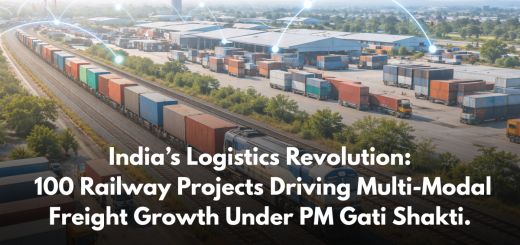
Improved Coordination Between Road and Rail
Road transport remains important for collecting and delivering goods, even when the main journey uses rail, ports or waterways.
For example, a shipment may travel by truck from a factory to a railway terminal, move by rail over a longer distance, and then return to road transport for final delivery.
This is known as multimodal transport: using two or more modes of transport as part of a connected freight journey.
Better planning between these modes could improve the movement of goods between terminals and distribution points. It will not eliminate the need for road freight; instead, trucks can continue to play an essential first-mile and last-mile role.
More Data-Informed Infrastructure Decisions
Transport data can help identify busy corridors, congestion points and locations where capacity may need improvement.
The planned National Transport Data Repository is intended to support this kind of analysis. Its usefulness will depend on the quality and integration of the underlying information and the decisions made using it.
Better Monitoring of Major Projects
Monitoring infrastructure projects and assessing their impact can help identify implementation issues and evaluate whether completed projects meet their intended objectives.
For logistics businesses, more reliable infrastructure can eventually support better journey planning. However, it would be premature to promise shorter delivery times on specific routes before relevant improvements are delivered.
How Could ITLA Affect Logistics Costs in India?
The government expects ITLA to support more efficient infrastructure, stronger multimodal connectivity and lower logistics costs as part of India’s long-term development goals.
For transporters, the potential effects may include the following.
| Area | Potential impact |
| Road and terminal connectivity | Better-connected freight routes |
| Congestion management | Potentially less waiting at infrastructure bottlenecks |
| Transport data analytics | More informed infrastructure and capacity planning |
| Multimodal integration | Better coordination between road, rail and other modes |
| Project monitoring | Improved oversight of major infrastructure development |
| Workforce skills | Better training and operational capabilities |
These are potential benefits, not guaranteed or immediate savings. The actual impact will depend on project delivery, infrastructure quality, data availability and broader market conditions.
Freight rates will continue to depend on factors such as fuel prices, vehicle type, shipment requirements, route conditions, demand and available capacity. ITLA is not a freight-rate regulator.
Who Could Benefit from ITLA?
Truck owners
Better transport connectivity and fewer infrastructure bottlenecks could help improve vehicle utilisation over time. Return-load planning and cost control will still require day-to-day operational decisions.
Fleet operators and transporters
Long-term infrastructure planning may help inform route strategies, fleet expansion and distribution-network decisions.
Manufacturers and shippers
Better-connected freight networks could support more predictable supply chains and improve coordination between production, transport and delivery.
Warehousing and logistics businesses
Better information about transport corridors and infrastructure development could help inform decisions about distribution hubs and freight connections.
Drivers and logistics professionals
The authority’s focus on training, skilling and research could support future workforce-development opportunities.
What Will ITLA Not Change Immediately?
It is important to understand the limits of the announcement before making business decisions based on it.
- It will not directly book your truck. ITLA is a planning and coordination body, not a truck-booking platform.
- It will not automatically reduce freight rates. Freight pricing continues to depend on market conditions and trip requirements.
- It does not guarantee fewer empty return trips. Transporters will still need to find suitable loads and coordinate vehicle availability.
- It will not remove every logistics bottleneck overnight. Infrastructure projects and data systems require time to implement.
- It does not guarantee a specific percentage of cost savings. Such claims require reliable evidence and measured results.
The Cabinet approval is an important first step. Transport businesses should watch for subsequent implementation updates rather than assume all intended benefits are already available.
How Can Transporters Prepare for ITLA’s Impact?
Transporters do not need to wait for new infrastructure or data systems to improve their operations. Several practical steps can help businesses prepare for a more connected and digital logistics environment.
- Maintain organised records. Keep trip details, invoices, shipment records and relevant vehicle documents up to date.
- Review vehicle compliance. Check registration, insurance, permits and other applicable documents before assigning vehicles.
- Plan return loads early. Explore suitable backhaul opportunities before completing the onward trip.
- Use digital booking channels. Online platforms can help broaden access to truck and load opportunities.
- Monitor route performance. Compare trip expenses, delays, vehicle utilisation and return-load outcomes.
- Use suitable tracking tools. GPS tracking can help monitor vehicle movement and communicate trip progress.
- Train drivers and operations teams. Clear procedures and better skills can support safer, more organised operations.
- Follow official policy updates. Monitor announcements about ITLA, the National Transport Master Plan and the National Logistics Policy.
The objective is straightforward: improve the parts of logistics operations that your business can control while staying prepared for wider infrastructure changes.
How TruckSuvidha Supports Digital Truck Booking
As India’s logistics sector develops, digital tools can help transporters organise truck bookings and identify available freight opportunities.
TruckSuvidha provides online workflows for businesses looking to book trucks, post loads and find freight opportunities.
Relevant services include:
- Online truck booking: Explore truck-booking options and provide shipment requirements.
- Online load posting: Submit shipment details, including origin, destination, load type and vehicle requirements.
- Load Board: Explore load opportunities for trucks and connect with load providers.
- Truck posting: Share truck availability and relevant vehicle details.
These digital services can support day-to-day freight coordination. They are not ITLA services, and their use does not guarantee a particular freight rate, load match or cost saving.
Whether you manage one truck or a larger fleet, organised booking records and proactive load planning can help you make more informed operating decisions.
Frequently Asked Questions About ITLA India
1. What is ITLA in India?
ITLA stands for Integrated Transport & Logistics Authority. It is a Special Purpose Vehicle approved by the Union Cabinet on 6 October 2026 to strengthen integrated transport planning, research, project appraisal, monitoring and impact assessment.
2. When was ITLA approved by the Indian government?
The Union Cabinet approved the establishment of ITLA on 6 October 2026. The announcement outlined its proposed responsibilities across India’s transportation and logistics sector.
3. How will ITLA affect truck booking online in India?
ITLA will not directly operate truck-booking services. Its potential indirect impact includes better transport infrastructure planning, more coordinated freight corridors and improved data-informed policy decisions. Digital booking platforms will continue to handle their own booking and load-matching processes.
4. What is the National Transport Data Repository?
The National Transport Data Repository (NTDR) is a planned data initiative under ITLA. It is expected to integrate information from sources such as GSTN e-way bills, FASTag, Vahan, GPS-based systems and urban traffic management systems to support transport planning and analytics.
5. Will ITLA reduce logistics costs in India?
Reducing logistics costs is among the government’s stated objectives for ITLA. Better infrastructure planning and multimodal connectivity could help improve efficiency, but actual savings will depend on implementation and measurable outcomes. No specific cost reduction should be assumed at this stage.
6. Which infrastructure projects will ITLA appraise?
According to the government announcement, government infrastructure projects costing ₹500 crore or more will undergo ITLA’s technical appraisal. Financial appraisal will continue through existing mechanisms.
7. How can small transporters benefit from ITLA?
Small transporters may benefit over time from better-connected infrastructure and a more efficient logistics network. They can prepare by organising records, monitoring routes, planning return loads and using suitable digital booking tools.
8. What is the difference between ITLA and PM GatiShakti?
PM GatiShakti is a national master-planning initiative that supports coordinated infrastructure planning through a shared platform. ITLA is a specialised institutional mechanism intended to strengthen integrated transport and logistics planning, project appraisal, monitoring and impact assessment. The government describes ITLA as complementing existing initiatives, including PM GatiShakti.
Conclusion: Preparing for the Future of Logistics in India
The approval of ITLA marks an important development in India’s approach to transport and logistics planning. By improving coordination between transport systems, supporting long-term infrastructure planning and developing a National Transport Data Repository, the authority aims to help build a more connected and efficient logistics network.
For truck owners and transporters, the benefits will depend on how these plans are implemented. Better infrastructure may improve freight movement, but businesses will still need to manage vehicle utilisation, freight rates, compliance and return-load planning.
The most practical approach is to prepare now. Keep records organised, review vehicle documents, use digital tools where appropriate and plan freight movements carefully.
Looking for truck-booking and load-finding options? Visit TruckSuvidha to explore digital solutions for your transport requirements.
Editorial note: This article explains the Cabinet approval announced on 6 October 2026. Potential future benefits are described as expectations, not guaranteed outcomes.

Recent Comments