
DoP-DTDC MoU: A Step Towards Strengthening India’s Logistics Network
India’s logistics and e-commerce sector is entering a more connected phase. Delivery networks are becoming wider, customer expectations are increasing, and businesses now need faster, more reliable movement of goods across the country.
In this direction, the Memorandum of Understanding between the Department of Posts (DoP) and DTDC Express Limited is an important development. The MoU was signed on 27 April 2026 in New Delhi by Mr. Neeraj Kumar Jha, General Manager, Parcel Directorate, Department of Posts, and Mr. Abhishek Chakraborty, CEO of DTDC Express Limited.
The objective of this partnership is to combine the Department of Posts’ wide postal network with DTDC’s logistics and parcel delivery experience. This can help improve parcel movement, e-commerce logistics, and delivery access across India.
But this development is not only about parcel delivery. It also reflects a larger shift in Indian logistics: stronger networks are important, but efficient execution is equally necessary.
A Partnership That Reflects the Next Stage of Indian Logistics
The DoP–DTDC MoU shows how India’s logistics ecosystem is moving toward greater collaboration. Public infrastructure and private logistics capability are now coming together to support better delivery performance.
The Department of Posts has a vast network of more than 1.64 lakh post offices across India. DTDC brings experience in express parcel delivery, e-commerce logistics, and last-mile services.
Through this partnership, DTDC will be able to use the Department of Posts’ postal network for nationwide parcel delivery, including Cash on Delivery (COD) services. This can help improve delivery reach in smaller towns, semi-urban locations, and remote areas where logistics access may still be limited.
For e-commerce sellers, this can support wider customer coverage. For customers, it can improve delivery access. India’s logistics sector, it shows how network strength and operational capability can work together.
Public Reach Meets Private Delivery Capability
One of the strongest parts of this MoU is the combination of scale and service capability.
The Department of Posts brings deep national reach. Its postal network covers urban, rural, and remote locations. DTDC brings private-sector logistics experience, parcel handling capability, and e-commerce delivery understanding.
Together, this partnership can strengthen India’s parcel delivery ecosystem.
This is important because e-commerce growth does not depend only on online orders. It depends on whether parcels can reach customers reliably, whether COD deliveries can be managed smoothly, and whether businesses can serve customers beyond major cities.
A stronger delivery network can help improve access. But access alone is not the full story of logistics efficiency.
Logistics Efficiency Begins Before the Last Mile
Parcel delivery is the visible part of logistics. But before a parcel reaches the final customer, many other movements happen in the background.
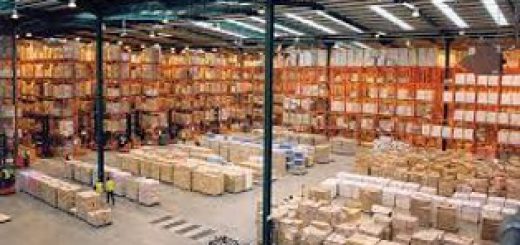
Goods may move from manufacturers to warehouses. Bulk stock may move from suppliers to distribution centers. Large shipments may travel between cities before they are divided into smaller parcel deliveries.
This means logistics efficiency does not begin at the final delivery stage. It begins much earlier in the supply chain.
If truck availability is delayed, warehouse supply can be affected. If freight movement is slow, parcel dispatch can be delayed. If transporter coordination is weak, the entire delivery flow may suffer.
That is why full-load truck movement, transporter coordination, and freight execution are important parts of India’s logistics ecosystem.
TruckSuvidha’s Role in Full Load Freight Movement
TruckSuvidha operates at this freight execution layer.
While DTDC focuses on parcel and last-mile delivery, TruckSuvidha supports businesses with full load truck booking, freight movement, truck discovery, and transporter coordination.
For businesses moving large goods, bulk loads, or heavy shipments, timely truck availability is critical. A delay in truck placement can affect production schedules, warehouse movement, dispatch planning, and customer commitments.
TruckSuvidha helps businesses connect with suitable transport options for full load requirements. Instead of depending only on manual calls and scattered coordination, businesses can use a digital platform to discover trucks and coordinate freight movement more efficiently.
This makes TruckSuvidha relevant in the larger logistics picture. It supports the movement layer that happens before goods reach parcel delivery or last-mile networks.
Stronger Delivery Networks Need Smarter Freight Movement
The DoP–DTDC MoU can help strengthen parcel reach across India. But for the full logistics chain to work smoothly, goods must also move efficiently before they enter the parcel delivery stage.
This is where the relationship between delivery networks and freight platforms becomes important.
- A strong delivery network improves reach.
- A strong freight platform improves movement.
- Together, they support better logistics performance.
For example, an e-commerce seller may depend on parcel delivery for customer orders. But before those parcels are dispatched, stock must reach the warehouse or fulfillment center on time. That movement often depends on trucks, transporters, and freight coordination.
So, while partnerships like DoP–DTDC improve delivery coverage, platforms like TruckSuvidha help improve the movement of goods across the supply chain.
Digital Freight Platforms Are Reducing Coordination Gaps
India’s logistics sector has traditionally depended heavily on phone calls, manual coordination, and fragmented transporter networks. This often creates delays, uncertainty, and lack of visibility.
Digital freight platforms are helping reduce these gaps.
They make it easier for businesses to find trucks, connect with transporters, and plan freight movement with better clarity. This is especially important for full load truck requirements, where timing, route planning, and vehicle availability directly affect business operations.
TruckSuvidha supports this shift by bringing truck discovery and freight coordination into a more organized digital environment.
For businesses, this can reduce time spent on manual searching. It can improve planning. It can also support smoother coordination between demand and transport availability.
The Road Ahead: Stronger Networks, Smarter Execution
The future of logistics in India will be shaped by two major needs: wider reach and better execution.
Partnerships like the DoP–DTDC MoU can improve delivery access and support e-commerce growth. At the same time, platforms like TruckSuvidha can help businesses manage freight movement, full load truck booking, and transporter coordination more efficiently.
This balance is important.
Without strong networks, delivery reach remains limited.
Without smarter execution, movement becomes slow and uncertain.
India’s logistics ecosystem needs both.
As businesses grow and customer expectations increase, the demand for timely truck availability, better freight coordination, and reliable delivery support will continue to rise.
Recent Comments