
What is ANPR and Its Applications and Benefits?
Automatic Number Plate Recognition (ANPR) is a technology that captures and reads vehicle licence plates automatically using special cameras and software. These systems play a major role in modern traffic management, security, toll collection, and other smart city solutions. It works in real time and turns number plate images into text that can be stored and searched in a database.
What is ANPR?
ANPR stands for Automatic Number Plate Recognition. It is a system that uses cameras combined with software to
capture images of vehicle number plates and convert those images into text data through Optical Character Recognition (OCR). This data is then stored or compared with existing databases to identify vehicles.
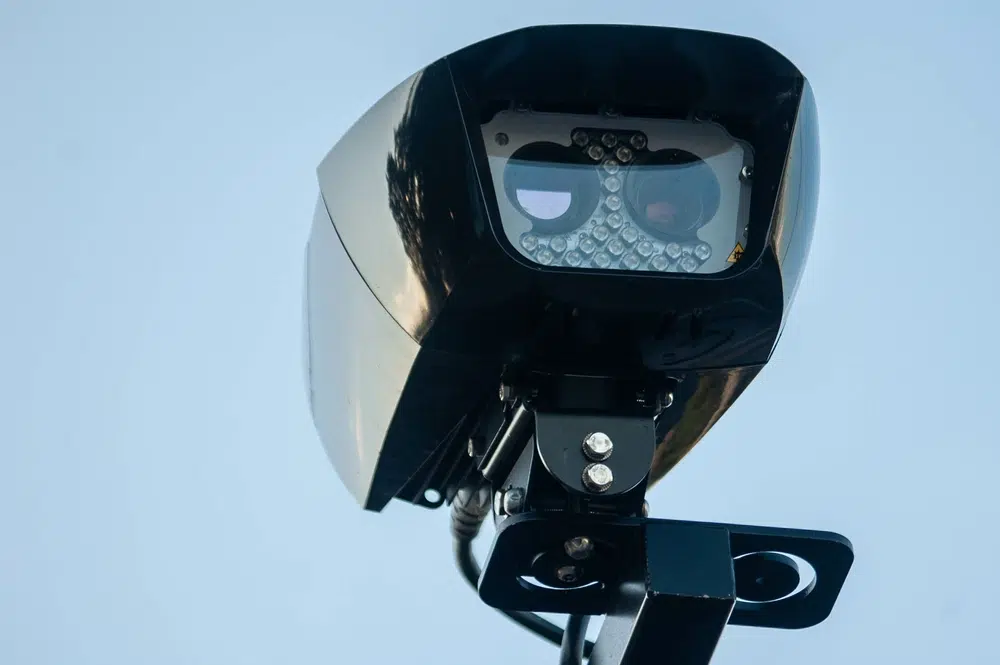 Simply put, when a vehicle passes by an ANPR camera, the system takes a picture of the number plate, reads the characters, and stores information like the registration number, time, date, and location. This process happens automatically without any human intervention.
They are widely used by law enforcement, traffic authorities, toll operators, and private organisations across the world to automate vehicle identification and improve operational efficiency.
How Does an ANPR System Work?
Here are the key steps involved:
- ANPR Camera Photography: Special ANPR cameras take a clear image of the vehicle’s number plate. These cameras are designed to work day and night, and even in harsh weather conditions.
- Image Collection: The camera sends the captured image to a processing unit. Many systems use ONVIF-compliant camera sensors, which support live streaming and high-quality resolution for clearer recognition.
- Data Processing: OCR software analyses the number plate image and converts the characters into text. The system can also record vehicle type, colour, date, time, and location.
- Real-Time Use: Once the plate number is recognised, the system can match it against databases for tasks like law enforcement hotlist checks, toll automation, or parking validation.
Components of an ANPR System
An ANPR system is made up of several essential parts:
- ANPR Camera: A specialised camera that captures number plate images even when vehicles are moving fast.
- ONVIF- Compliant Camera Sensors. These sensors support high-quality live video streaming and image capture, improving the accuracy of recognition at different vehicle speeds.
- LPU (License Plate Unit): The hardware component that receives live video streams from the camera and handles the initial image processing.
- OCR (Optical Character Recognition) Software: This translates the number plate image into readable text that the system can store or compare with a database.
- Database Integration: The recognised number plate information must be connected to a database containing vehicle details (like registration records) for meaningful use.
Applications of Automatic Number Plate Recognition
ANPR systems are used in many sectors. Here are some important applications:
1. Law Enforcement
ANPR helps police quickly identify stolen or suspicious vehicles by matching number plates with watch lists and crime databases. This improves road safety and speeds up investigations.
2. Toll Collection
Electronic toll systems use ANPR to recognise vehicles and automatically charge tolls without stopping, reducing waiting time and traffic congestion at toll plazas.
3. Parking Management
In parking systems, ANPR automates entry and exit, verifies authorised vehicles, and can even handle billing without tickets or barriers. This makes parking faster and more efficient.
4. Traffic Management
City traffic authorities use ANPR to monitor vehicle flow, detect violations, and plan better traffic signals to reduce congestion during peak hours.
5. Fleet Management
Logistics and delivery companies employ ANPR to monitor their fleet movements in real time, improving route planning and vehicle utilisation.
Advantages of Automatic Number Plate Recognition
ANPR technology offers many advantages for governments, businesses, and the public:
- Higher Accuracy and Speed: ANPR systems recognise number plates much faster and more accurately than manual methods.
- Automated Operations: Tasks like toll charging and parking billing become automatic, reducing the need for staff and lowering operational costs.
- Enhanced Security: Real-time alerts for stolen or suspect vehicles help law enforcement respond quickly.
- Better Traffic Flow: Automating vehicle recognition at tolls and intersections reduces delays and improves overall traffic movement.
- 24/7 Monitoring: ANPR systems work day and night, providing continuous surveillance and data collection.
How ANPR is Enhancing FASTag, MLFF, and Green Cess
Automatic Number Plate Recognition (ANPR) is now being integrated with India’s tolling ecosystem to make highway travel smoother, faster, and more efficient. With the hybrid ANPR-FASTag system under pilot testing by the Ministry of Road Transport and Highways (MoRTH) and NHAI, vehicles can pass through toll plazas without stopping at barriers. High-performance ANPR cameras automatically read the vehicle’s licence plate and match it with the linked FASTag account for real-time toll deduction, eliminating the need to halt or slow down at toll booths.
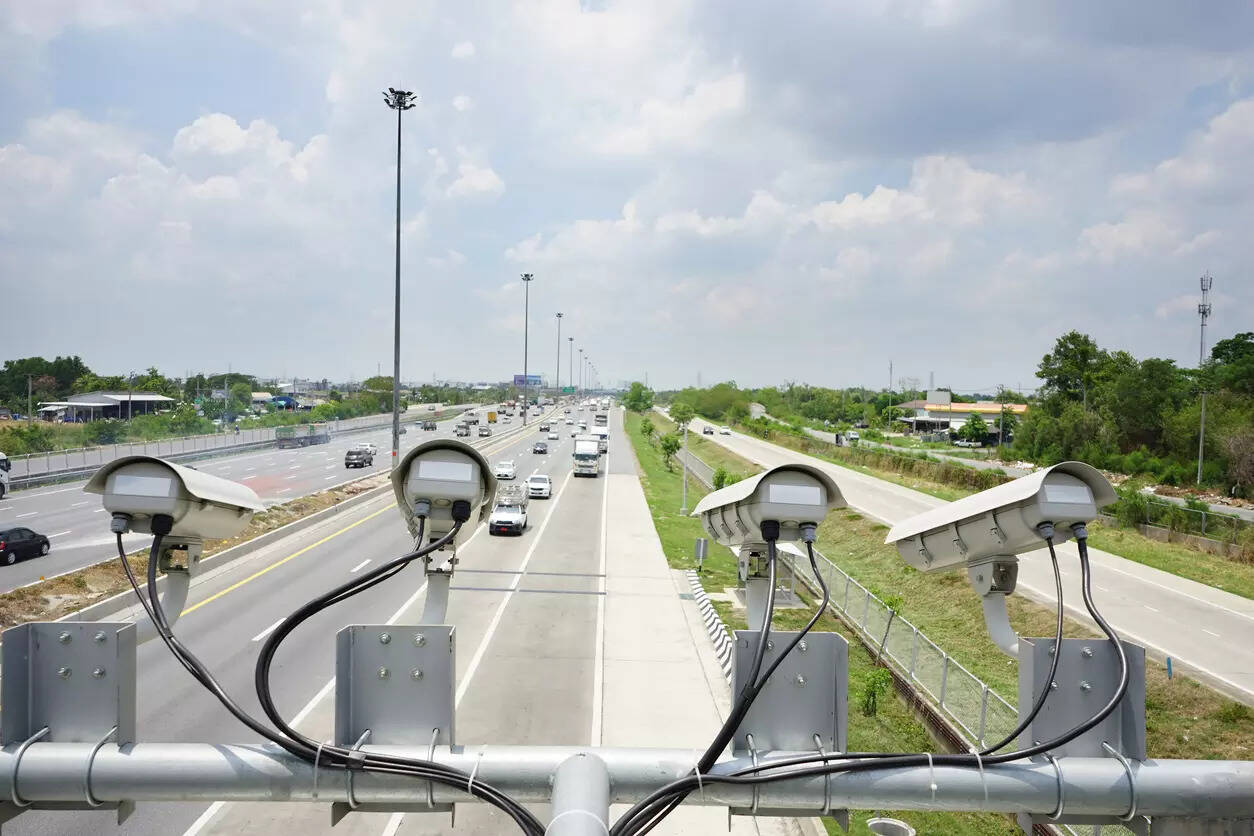
In the Multi-Lane Free Flow (MLFF) model, overhead ANPR cameras and RFID FASTag readers work together across all lanes, allowing vehicles to maintain highway speeds while toll charges are processed. This reduces traffic buildup, wait times, and fuel consumption because vehicles no longer need to stop at booths. MLFF systems using ANPR and FASTag a re being planned for rollout at multiple national highway toll plazas to support seamless tolling.
ANPR can also support the implementation of green cess/green tax as an environmental entry levy at tolls and border checkpoints. In some Indian states such as Uttarakhand, a green tax is being introduced on vehicles entering the state from outside to help fund environmental conservation and pollution control efforts. Automatic Number Plate Recognition (ANPR) cameras capture vehicle number plates in real time and automatically identify out-of-state vehicles that are subject to the green tax. Once recognised, the tax amount – based on vehicle category and entry policy – can be deducted digitally (for example via FASTag) without requiring vehicles to stop for manual checks. This automatic process reduces congestion at entry points, saves fuel, and lowers emissions, while ensuring smooth traffic flow and efficient green tax collection through a data-driven, real-time system.
Why Automatic Number Plate Recognition Matters Today
As traffic volumes continue to grow, Automatic Number Plate Recognition (ANPR) has become an essential component of modern intelligent transport systems (ITS). By enabling real-time vehicle identification, barrier-less tolling, and data-driven enforcement, ANPR supports seamless initiatives such as FASTag integration, Multi-Lane Free Flow (MLFF) tolling, and digital green tax collection. Its ability to automate tolling, entry tax enforcement, and traffic monitoring helps reduce congestion, minimise fuel consumption, and lower emissions. With applications across smart cities, highway management, law enforcement, and sustainable mobility, ANPR is no longer just a surveillance tool-it is a critical enabler of efficient, secure, and environmentally responsible road infrastructure for the future.

Recent Comments